
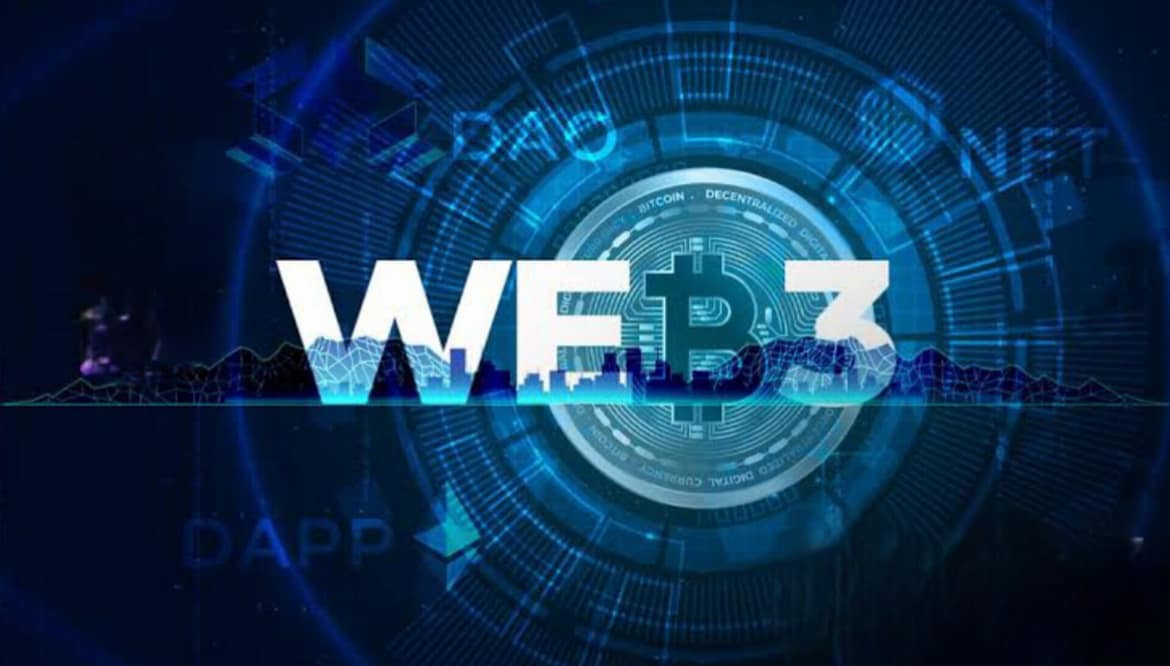
The concept of Web3 implies a progression of the internet, beginning with Web1, which emerged in 1994. Web1 was characterised by static, read-only content that offered no opportunity for user interaction. The evolution continued in 2004 with the arrival of Web 2.0. This iteration introduced significant interactivity, driven by advancements in web technologies like JavaScript, HTML5, and CSS3, which enabled the creation of platforms such as YouTube, Facebook, and Wikipedia.
However, Web 2.0 introduced a major drawback due to serious concerns about security threats, including cyberattacks and even physical dangers such as kidnappings.
The Emergence of Web3
The subsequent emergence of Web3 was the next evolutionary leap for the internet. It empowers users to process data through the integration of advanced technologies such as artificial intelligence (AI) and blockchain. Four key characteristics define Web3. First, it operates on decentralisation, meaning there is no single central authority in control. Second, it is trustless and permissionless, allowing users to interact directly without intermediaries or the need to accept cookies.
The third feature involves artificial intelligence and machine learning, enabling computers to interpret information with human-like understanding, such as recognising “I love Nigeria” and “I♥️ Nigeria” as identical. The fourth is connectivity and ubiquity, ensuring universal and constant access to the internet. Nigeria has positioned itself as a leading adopter of Web3 in Africa, alongside Kenya and South Africa. A widespread adoption to blockchain technology and cryptocurrency prompted the Nigerian government to ban digital currencies as a financial product in February 2021. However, in 2024, Nigeria solidified its status as a global leader in cryptocurrency, ranking second worldwide in grassroots adoption.
Web3 Adoption Prompts Nigerian Government to Embrace Digital Currencies
Facing the inability to halt the use of digital currencies, the government adopted a “if you can’t beat them, join them” approach by launching its own Central Bank Digital Currency (CBDC), the e-naira. However, this initiative saw poor adoption, and its application was eventually removed from the Play Store. In a separate move, the federal government, through the National Information Technology Development Agency (NITDA), drafted a national blockchain adoption strategy in 2020, which was officially approved in May 2023. This strategy aimed to foster web3 adoption in a way that promotes efficiency and transparency, though it introduced government oversight—a concept seemingly at odds with web3’s decentralised principle.
Since then, organisations like Women in DeFi (WID), founded by Sarah Idaghosa, have stepped up to promote web3 as an emerging technology through initiatives like the “Codes, Charts and Cocktail” (CCC) conference. Such efforts, including outreach to universities and secondary schools, are essential for driving adoption of this emerging technology.
Web3 Startups Sprouting Across Nigeria Despite Obstacles
The path to web3 adoption is not without obstacles as hackers can siphon funds while remaining anonymous. This security risk makes proper education crucial so investors can identify fraudulent projects before committing their money. Despite these challenges, web3 adoption in Nigeria is surging, particularly among young people seeking financial freedom. Several notable Web3 companies have emerged from Nigeria, including Cassava Network, which is building NFT platforms with African music stars; Hashgreed, Africa’s first NFT marketplace; Stakefair, a decentralised finance company; DABA, an educational platform; Jamborrow, a B2B fintech platform; and Scorfam, a play-to-earn gaming platform.
Potential Benefits of Web3
The potential benefits of Web3 for Nigeria are substantial, particularly in financial inclusion. With over 154 million internet subscribers in Nigeria, many of the estimated 350 million unbanked adults in sub-Saharan Africa could gain access to financial services simply through a mobile phone and an internet connection. Web3 can provide critical access to capital for farmers in remote areas and youths with innovative tech ideas by offering faster, more efficient lending and borrowing through decentralised finance (DeFi) platforms. Furthermore, it can solve persistent banking issues, such as transaction delays and failures that plague traditional banks, by enabling seamless, near-instantaneous transactions through smart contracts.As web3 continues to revolutionise Nigeria’s tech industry, expanding its integration into other sectors through enhanced education is vital. It is increasingly evident that embracing web3’s capabilities is essential for overcoming the inefficiencies within Nigeria’s financial systems and driving the nation’s economy forward.